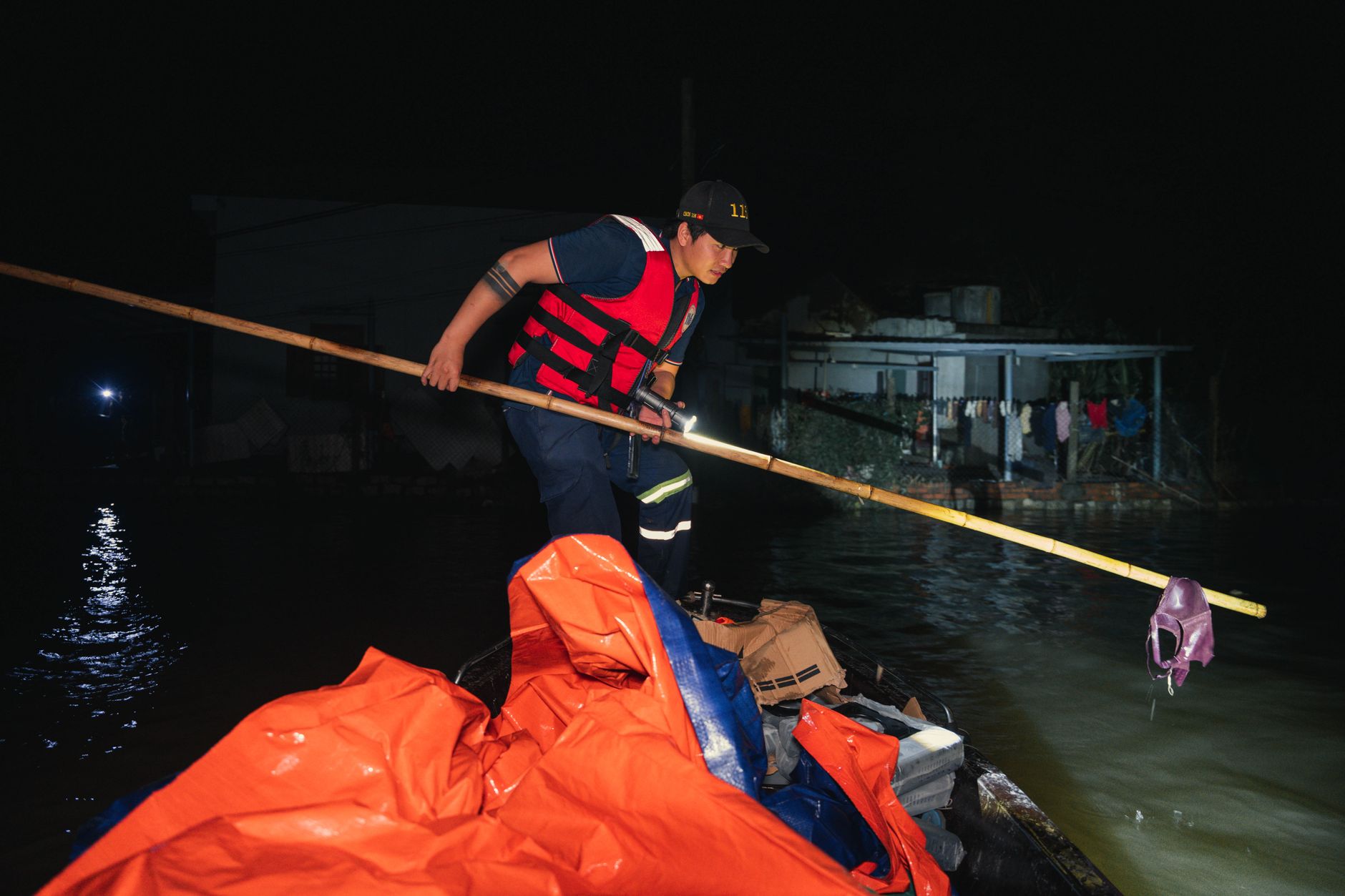
Nepal flood victims: Safe DNA profiling for identification
Nepal flood victims are being identified through innovative DNA profiling techniques in newly opened forensic labs in India. This initiative aims to provide families with answers during a difficult time.
Overview of the Flood Situation
The recent floods in Nepal have caused widespread devastation, leaving many families displaced and mourning their loved ones. As rescue operations continue, the plight of the Nepal flood victims has drawn significant attention both locally and internationally.
Heavy monsoon rains triggered landslides and severe flooding across various regions, particularly in the Terai area, which has been severely impacted. Thousands of homes have been damaged or destroyed, and critical infrastructure such as roads and bridges has been rendered unusable, complicating relief efforts.
In response to this crisis, the Indian government has opened forensic laboratories to assist in the identification of deceased individuals through DNA profiling. This initiative aims to provide closure to families searching for missing loved ones among the Nepal flood victims. The use of safe DNA profiling techniques is essential for accurately identifying individuals, ensuring that families receive the correct information regarding their missing relatives.
This collaboration between India and Nepal reflects a commitment to humanitarian aid and the importance of supporting communities during times of crisis. As the situation develops, authorities continue to work tirelessly to provide assistance to those affected and restore normalcy in the regions impacted by the floods.
The Role of DNA Profiling
The recent floods in Nepal have led to a significant humanitarian crisis, with many individuals missing and unaccounted for. In light of this, DNA profiling has emerged as a crucial tool in identifying the victims of these devastating floods. This advanced scientific method allows for accurate identification, even in challenging circumstances where traditional methods may fail.
DNA profiling is particularly beneficial in disaster situations, as it can:
- Provide accuracy: Unlike visual identification, which can be complicated by injury or environmental factors, DNA profiling delivers precise results based on genetic material.
- Facilitate rapid identification: With the implementation of forensic labs in India, authorities can expedite the identification process for Nepal flood victims, providing much-needed closure to families.
- Support mass identification efforts: By collecting DNA samples from family members, forensic teams can match them with remains, ensuring that identities are confirmed accurately.
As the situation unfolds, the collaboration between countries and the utilization of modern forensic techniques are essential in addressing the challenges faced by families of the Nepal flood victims. This initiative not only aids in the immediate aftermath but also strengthens the framework for future disaster response efforts.
How Forensic Labs Operate
The operation of forensic labs in the wake of disasters like the recent floods in Nepal is crucial for identifying victims and providing closure to their families. These facilities utilize advanced techniques to analyze biological samples, ensuring accurate identification through DNA profiling.
Forensic labs typically follow a structured process:
- Sample Collection: Teams are dispatched to the disaster site to collect DNA samples from victims, which may include blood, hair, or tissue.
- Preservation and Transport: Once collected, samples are carefully preserved and transported to the lab under controlled conditions to avoid contamination.
- DNA Extraction: In the lab, forensic scientists extract DNA from the samples using specialized techniques that isolate the genetic material for analysis.
- Profiling: The extracted DNA is then profiled using methods such as short tandem repeat (STR) analysis, which helps create a unique genetic fingerprint for each individual.
- Comparison: The obtained profiles are compared to reference samples from family members of the Nepal flood victims to establish matches.
- Reporting Results: Finally, results are compiled into detailed reports that inform authorities and grieving families about the identifications made.
This systematic approach not only aids in identifying victims but also helps in the healing process for those affected by the tragedy.
Government Response to the Disaster
The government has activated emergency protocols in response to the devastating floods that have affected numerous regions in Nepal. This catastrophic event has led to significant loss of life and property, prompting immediate action to assist the flood victims. Efforts are underway to provide shelter, food, and medical attention to those displaced by the disaster.
In light of the urgent need for identification of the deceased, the government has collaborated with international organizations to expedite the process of DNA profiling. This initiative aims to ensure that families of the flood victims are able to retrieve their loved ones and receive closure during this tragic time. The use of DNA technology has been endorsed as a reliable method for accurate identification, especially in situations where traditional identification methods are compromised.
The government is also focusing on long-term recovery plans that include rebuilding infrastructure and providing psychological support to affected families. As the situation develops, authorities are urging citizens to remain vigilant and cooperate with relief efforts. Additionally, public awareness campaigns are being launched to educate people on disaster preparedness, highlighting the importance of community resilience in the face of such calamities.
As the nation rallies together to support the flood victims, the commitment to efficient recovery and identification processes remains a top priority for the government and its partners.
Impact on Families
The recent floods in Nepal have left countless families in turmoil, grappling with the heart-wrenching aftermath of the disaster. As the waters recede, the reality of loss becomes more pronounced, with many families still searching for their loved ones. The devastation has created a profound emotional impact, as families face the uncertainty of not knowing the fate of those missing.
For families of the Nepal flood victims, the pain of separation is compounded by the lack of closure. Many have expressed feelings of hopelessness and despair, unsure if they will ever reunite with their loved ones. The emotional toll is further exacerbated by the challenging conditions that impede recovery efforts and hinder identification processes.
In light of these challenges, the introduction of DNA profiling offers a glimmer of hope. This innovative technique not only aids in the identification of the deceased but also helps families find solace in knowing the truth about their loved ones’ fates. The process is designed to ensure accurate and respectful identification, allowing grieving families to begin the healing process.
As the government and forensic labs work tirelessly to implement this essential service, the focus remains on providing support and compassion to the affected families. The journey towards recovery is long, but the commitment to helping the Nepal flood victims stands firm.
Future of Forensic Identification
The future of forensic identification for Nepal flood victims looks promising with the introduction of advanced technologies and collaborative efforts. As the impact of the floods continues to affect countless families, the need for accurate identification methods becomes crucial. DNA profiling has emerged as a vital tool in this process, ensuring that victims can be identified with precision and care.
One of the key advancements in forensic science is the implementation of state-of-the-art DNA sequencing techniques. These methods allow for quicker processing times, which is essential in disaster situations where timely identification can provide closure to grieving families. With more laboratories equipped to handle DNA samples, the efficiency of the identification process is expected to improve significantly.
Moreover, collaboration between Nepalese authorities and international forensic experts enhances the capabilities of local labs. This partnership not only brings in expertise but also ensures that best practices are shared and implemented, resulting in more reliable outcomes.
Furthermore, public awareness campaigns are being launched to educate families on the importance of providing samples for DNA profiling. As communities rally together in the wake of tragedy, the collective effort to identify Nepal flood victims is a testament to the resilience and solidarity of the nation.
In conclusion, the future of forensic identification in Nepal is set to evolve, bringing hope and healing to those affected by the flood disaster.
In the wake of the devastating disaster, authorities are prioritizing the identification of Nepal flood victims through safe DNA profiling. This innovative approach not only aids in the recovery process but also provides closure for families of the Nepal flood victims.
Photo by Long Bà Mùi on Pexels
Sources
Related reading
